
Hello everyone, I’m Philip from Xun Xiang Tea Shop.
Every year when spring arrives, familiar customers start asking: “Has the spring tea arrived yet?”
It sounds like a simple question, but behind it lies something deeper than seasonal demand—it reflects a very specific kind of anticipation. For those who regularly drink Taiwanese tea, spring tea is never just another harvest. It represents the most important starting point of the year—a moment worth waiting for.
For many people, their curiosity begins with the name: What exactly is spring tea? Why is it so highly sought after? How is it different from winter tea?
In my view, the charm of spring tea doesn’t come from marketing claims. It comes from the natural rhythm of the tea plant itself — a rhythm that gives the first spring harvest a uniquely vibrant and lively character.
The Science Behind Spring Tea: Why Is It Sweeter and More Refined?
At first glance, spring tea simply refers to tea harvested in spring. But what truly gives it value is the physiological state of the tea plant during seasonal transition.
1. Winter Dormancy: Nature Energy Storage
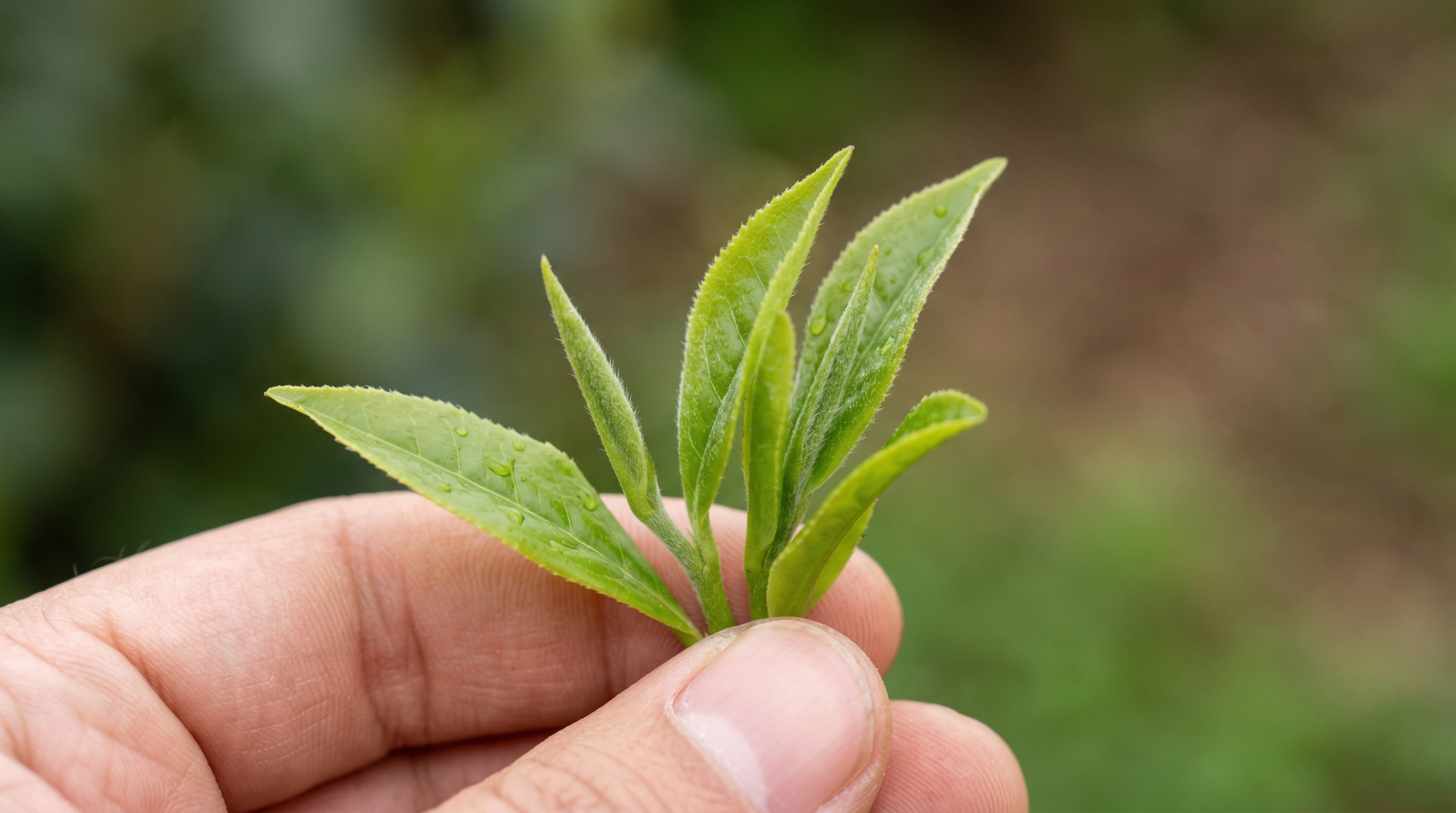
After autumn and winter, tea plants enter a resting phase. Growth slows down, but beneath the surface, the plant continues to absorb minerals and nutrients from the soil. These nutrients are stored in the roots and branches throughout the winter. When temperatures rise and spring rains arrive, this accumulated energy surges into the first new buds.
That’s why spring tea leaves are typically fuller, more vibrant in color, and rich in internal nutrients.
2. The Perfect Balance of Amino Acids and Polyphenols
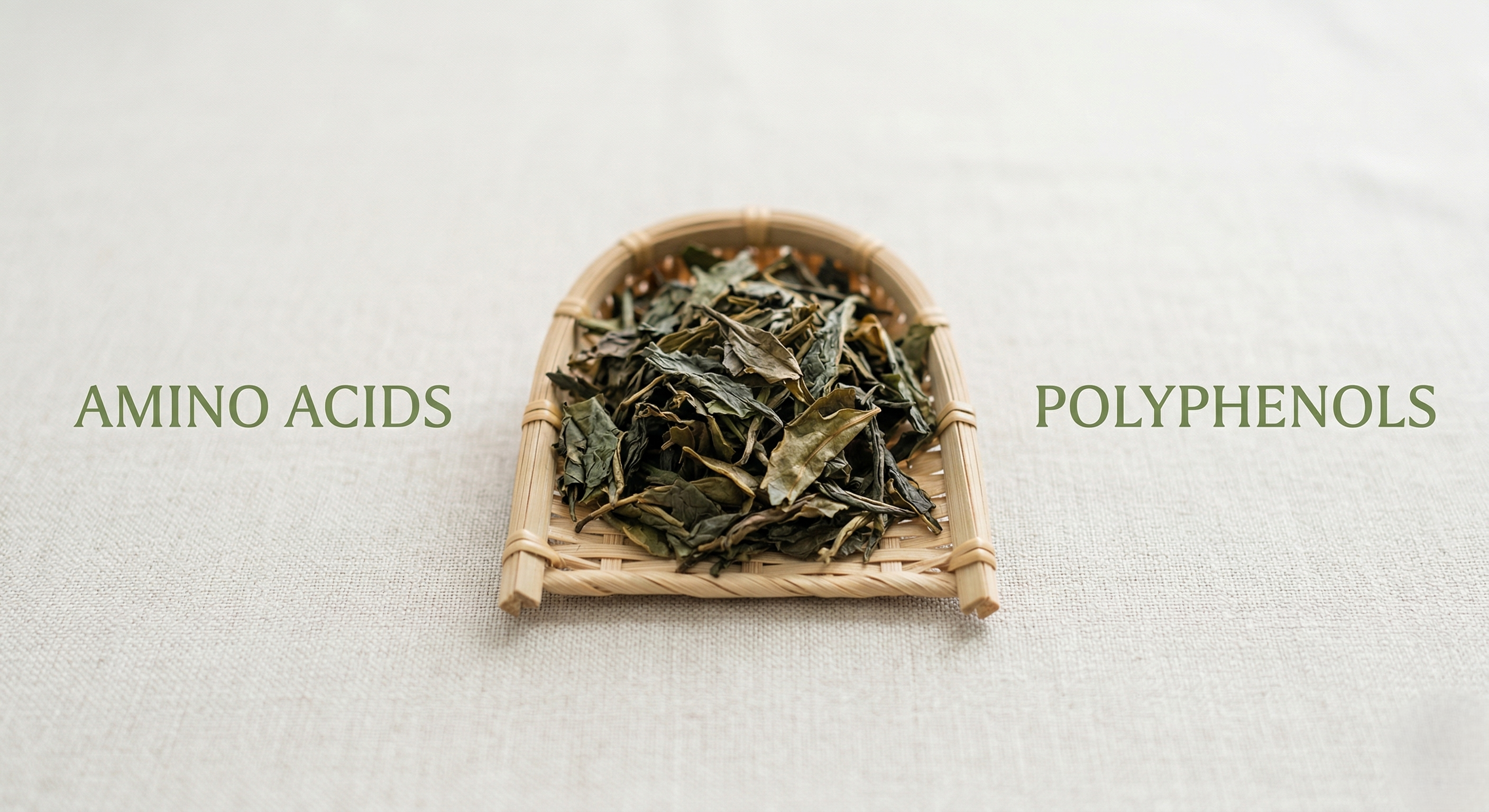
Research shows that the “umami” or freshness in tea comes largely from amino acids. Spring’s cooler temperatures and larger day-night fluctuations:
- increase amino acid accumulation (enhancing sweetness and smoothness)
- reduce polyphenols (which contribute bitterness and astringency)
This unique chem gives spring tea its signature profile: sweet, delicate, smooth, and layered. When you take a sip of spring tea, you’re tasting the essence of an entire season quietly nurtured in the mountains.
The Harvest Window: A Once-a-Year Experience
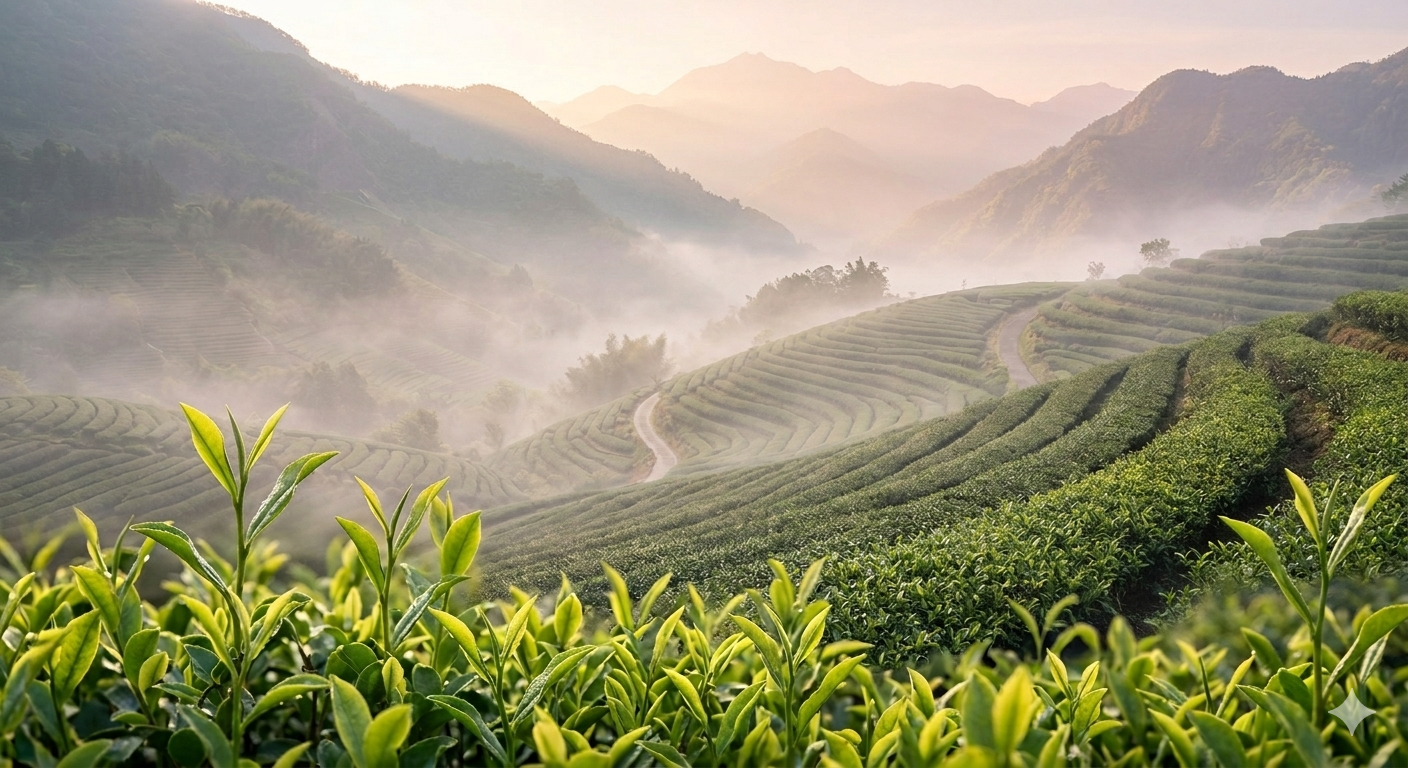
In Taiwan, spring tea is not released all at once. The harvest typically spans from mid-March to early May.
- Lower altitude regions: harvested earlier, usually starting late March
- Higher altitude regions: harvested later, sometimes extending into May
Because harvest timing depends heavily on climate, rainfall, and picking conditions, each year’s spring tea is slightly different. This is what makes it so special — a true “once-a-year encounter.” You can never experience the exact same spring tea twice.
Flavor Profile: Not Stronger, But More Refined
Many people associate “good tea” with boldness or intensity. But spring tea’s beauty lies elsewhere. It is often described as:
- cleaner in aroma
- more delicate on the palate
- softer in texture
- yet still layered and complex
That said, spring tea doesn’t erase the character of each tea variety. For example:
- High mountain oolong highlights clarity and elegance
- Jin Xuan offers smoothness and creaminess
- Four Seasons Spring brings out brighter, more expressive aromas
Spring doesn’t standardize flavor — it amplifies the most refined and lively side of each tea.
Comparison: Spring Tea vs Winter Tea vs Summer & Autumn Tea
Category | Spring Tea | Winter Tea | Summer & Autumn Tea |
Harvest Period | Mid-March to early May | Late October to late November | Other warm-season harvests |
Tea Plant Condition | First flush after winter dormancy | Mature leaves from late autumn growth | Faster growth, more affected by weather conditions |
Flavor Profile | Sweet, delicate, smooth and layered | Clean, round and more structured | More direct, bold and sometimes more pronounced |
Best for | Those who enjoy elegant and refined flavors | Those who prefer stable and mature profiles | Those who want to explore seasonal variations |
For Tea Lovers, Spring Tea is not Just “More Expensive”
It’s Simply Worth Waiting For
Some people first notice the price of spring tea—and that’s understandable. But reducing it to “just more expensive” misses the point. Spring tea is valuable because it is a collaboration between time, season, and nature. You need the stillness of winter before you can have the awakening of spring. You need to rest before the first buds can emerge. That’s why experienced tea drinkers aren’t just waiting for a product — they’re waiting for a moment that only happens once a year.
A Simpler Way to Enjoy Spring Tea
After all this explanation, I want to emphasize one thing: Tea should never feel complicated or heavy. Many people think drinking tea requires elaborate tools and rituals. But spring tea, with its fresh and delicate nature, is actually very versatile. It works beautifully not only for hot brewing, but also for cold brews.
Whether you’re at the office, relaxing at home or even after a workout, simply place the tea leaves into a bottle of water and let it infuse at a low temperature. You’ll still experience that sweetness cultivated over an entire winter. By replacing just a few sugary drinks with tea, you’re choosing something more natural, more refined, and more meaningful. This idea of “simply enjoying good tea” is at the heart of what we believe in at Xun Xiang Tea Shop.
Closing
Good flavors are worth waiting for. And when they finally arrive, they should be enjoyed with ease—not complexity. I’m Philip, and I invite you to start this spring with your very first sip of the season’s awakening. 🌱
[Pre-order now and secure your first taste of this year’s spring tea]