
The Craft Behind Taiwan High Mountain Oolong: Where Nature Meets Mastery
If altitude gives tea its structure, craftsmanship gives it depth, character, and soul.
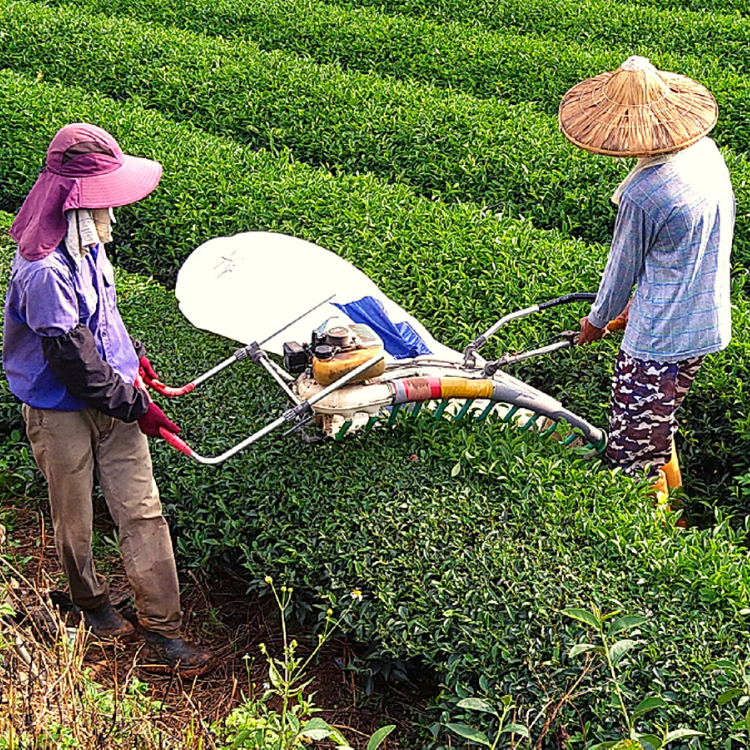
Taiwan high mountain oolong is prized not only for where it is grown, but for how it is made. Cool air, mist, and slow growth create exceptional leaves, but it is the tea maker’s judgment that transforms them into a refined and memorable cup. At Xunxiang Tea House, more than forty years of experience have taught us that great tea is never produced by formula alone. Each harvest responds differently to weather, season, and time, and every decision along the way shapes the final expression in the cup.
Sun Withering: The First Awakening
The journey begins as soon as the leaves are picked.
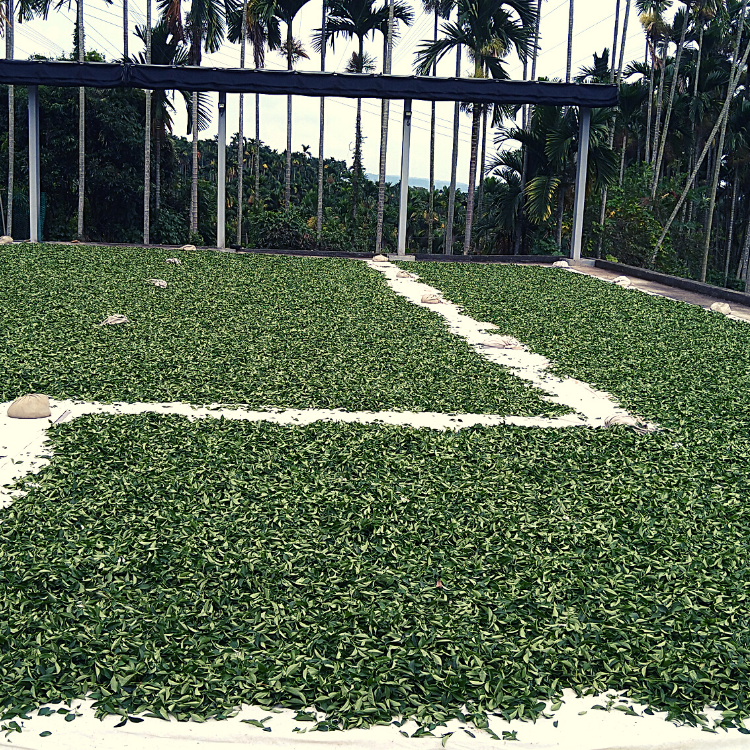
Fresh high mountain tea leaves are full of moisture and vivid green energy. Through sun withering, they are spread gently under soft natural light, allowing moisture to evaporate slowly and evenly. This softens the leaf and begins to remove its raw, grassy edge.
What appears simple is in fact deeply precise. Too much sun can stress the leaf; too little leaves it heavy and unbalanced. The tea maker watches for the moment when texture, softness, and aroma begin to align. This is the first step in turning fresh leaves into fine oolong.
Tossing and Resting: The Birth of Aroma
Oolong’s signature character begins to emerge during tossing and resting.
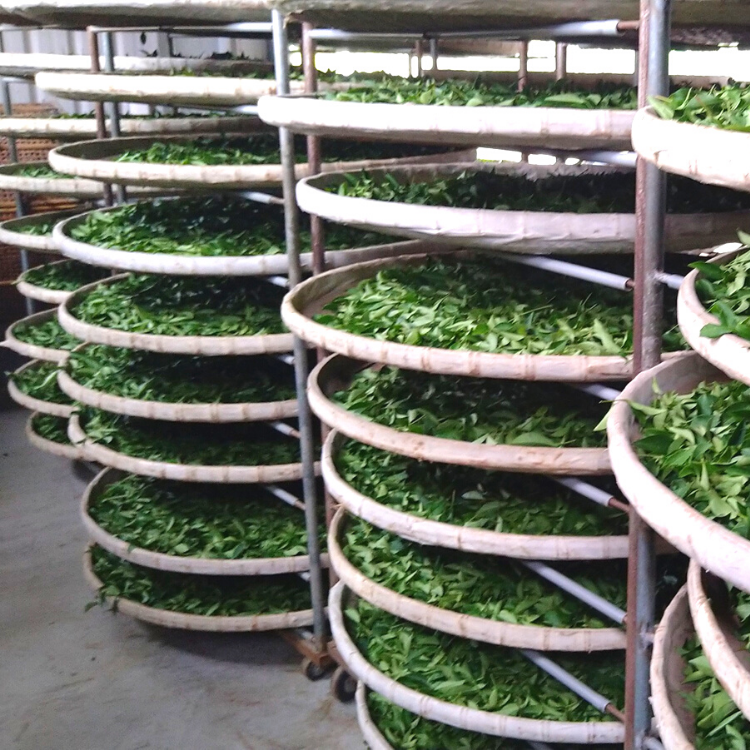
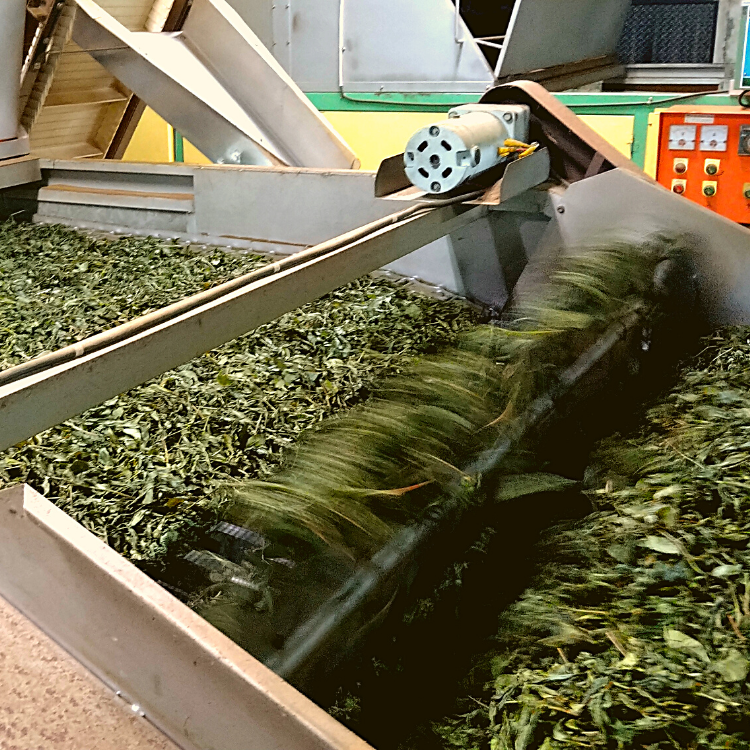
The leaves are gently agitated, then left to rest in repeated cycles. As the edges bruise slightly, oxidation begins. Over time, the scent changes from fresh-cut grass into something more elegant—floral, creamy, sometimes touched with ripe fruit.
This stage demands constant attention. Humidity, temperature, and leaf condition can shift hour by hour, and the tea maker must adjust accordingly. Often, this work continues late into the night. It is here that craftsmanship becomes interpretation, guiding the leaf toward its finest aromatic form.
Fixation and Rolling: Preserving the Peak
At a certain point, the leaf reaches its most beautiful aromatic state. That moment must be preserved.
Through fixation, heat is applied to halt oxidation and lock in the tea’s fragrance and flavor. Timing is critical. Too early, and the tea lacks depth; too late, and its freshness is lost.
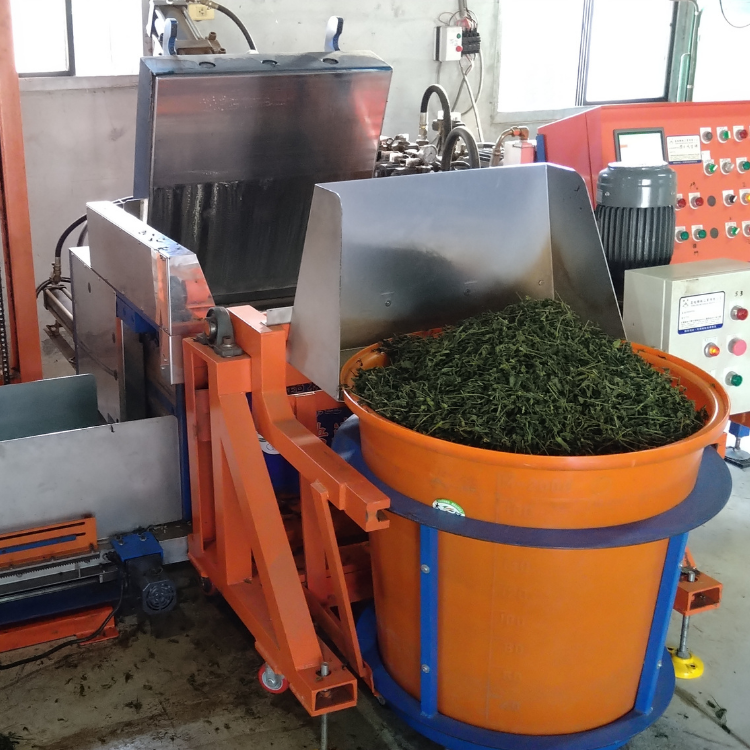
Next comes rolling, which helps shape both the leaf and the way it will brew. By gently pressing the leaves, the tea maker encourages flavor compounds to move closer to the surface. This allows the tea to release its character gradually during infusion, giving Taiwan high mountain oolong its layered sweetness, smooth texture, and long finish.
Ball Rolling: Form as Function
One of the most recognizable features of Taiwanese oolong is its tightly rolled, spherical shape.
This is created through ball rolling, a labor-intensive process in which the leaves are wrapped in cloth, compressed, loosened, and rolled repeatedly. It takes time, patience, and precision.
The result is more than visual beauty. The compact shape protects freshness and allows the leaves to unfurl slowly in hot water, releasing aroma and flavor in stages. This is one reason fine high mountain oolong can be enjoyed across multiple infusions, each revealing something new.
Roasting: The Invisible Final Touch
The final stage is roasting, and at Xunxiang Tea House, it is one of the crafts we value most.
Roasting should never overpower the tea. For premium high mountain oolong, we prefer a gentle, low-temperature roast that refines rather than transforms. It removes excess moisture, smooths rough edges, and gives the tea greater stability, depth, and composure.
A well-roasted tea should not taste heavily roasted. Instead, it should still carry the freshness of the mountain, now with a fuller texture and a deeper, more settled finish.
More Than Technique
For us, tea making is not simply a process. It is a dialogue between leaf, climate, and experience.
A great high mountain oolong should still reflect its origin—the cool air, the mist, the elegance of slow mountain growth—but it should also reveal the quiet mastery of skilled hands. That balance is what we pursue in every batch.
At Xunxiang Tea House, each cup is shaped by altitude, patience, and craftsmanship in harmony. What you taste is not only the beauty of Taiwan’s high mountains, but the discipline required to let that beauty speak with grace.